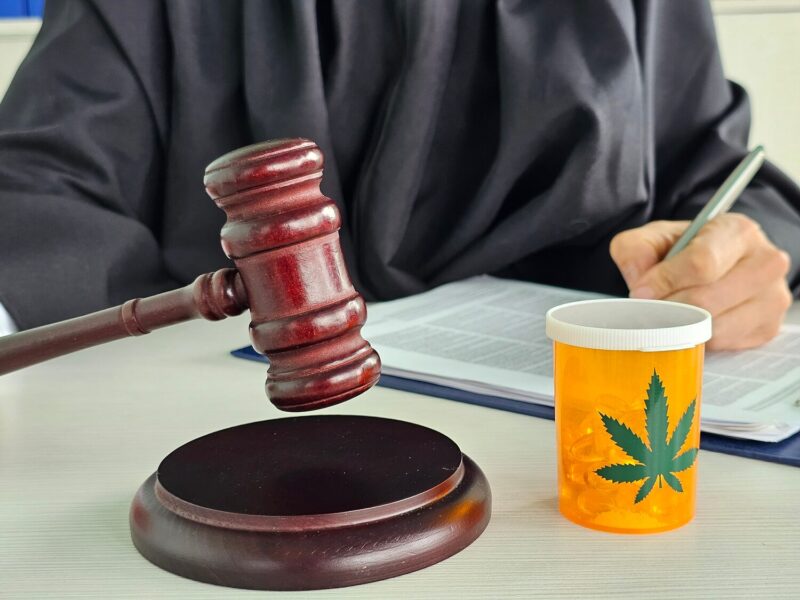
Medical Marijuana and Employment Law
Medical marijuana has been legal in Pennsylvania since April 2016, when the Medical Marijuana Act was signed into law. The Pennsylvania Department of Health reports that over 582,000 caregivers and patients are registered for the state’s Medical Marijuana Program, with nearly 345,000 active certifications.
Physicians must also be approved as practitioners within the program to prescribe marijuana. Currently, over 1,500 medical doctors have been approved. To receive a medical marijuana ID card, a patient must visit an authorized physician who will certify that the patient has one of the 23 program-approved serious medical conditions.
Once you have your ID card, you can visit one of the state-licensed dispensaries to fill your prescription. In addition to making this process legal, the Medical Marijuana Act also protects you against discrimination or retaliation based on your certification.
Under the Pennsylvania Human Relations Act (PHRA), an employer with 4 or more employees must provide reasonable accommodations to disabled employees. If your employer has issued a blanket policy against marijuana use, they could be found in violation of the PHRA.
While an employer is still legally allowed to discipline you for being under the influence of marijuana while on the job, that is only the case when your conduct or behavior falls below standard. Be sure to review your employee handbook and company policies to find if the company has clearly established the parameters for that standard.
With no state law regarding drug testing for private companies, your employer is free to require that you submit to a test at any point. However, if you know or suspect that your employer is aware of your participation in the Medical Marijuana program, a random drug test might be evidence of discrimination.